EATiP MiP MEETING & ORRI WORKSHOP IN WESTPORT, IRELAND
Our Mirror Platform clusters met in person in Westport, on Ireland’s west coast, on 15–16 September 2026 — two days of exchange, site visits and workshops!

Our Mirror Platform clusters met in person in Westport, on Ireland’s west coast, on 15–16 September 2026 — two days of exchange, site visits and workshops!
From 24 October to 1 November, EATiP members take part in a study trip to China — travelling from Xiamen to Qingdao — to meet Chinese actors of sustainable aquaculture: laboratories, universities, production and processing sites.
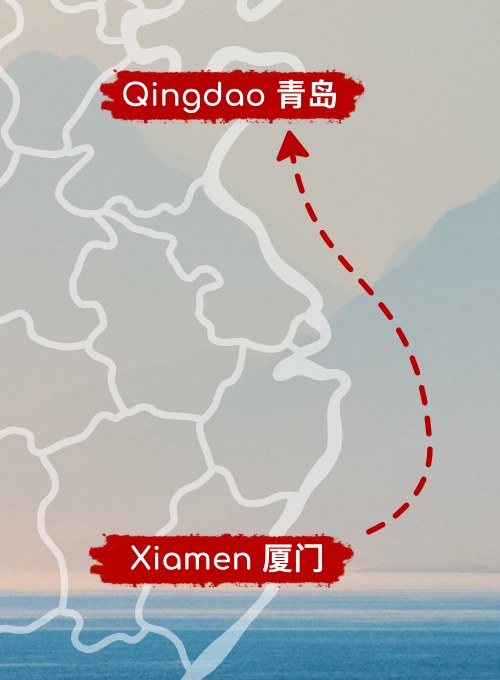
The programme focuses on integrated multi-trophic aquaculture (IMTA), restorative aquaculture and the ecosystem services of aquaculture, with reference to current Chinese production — including site visits, university meetings, a Franco-Chinese conference and the Qingdao Seafood Expo.
The trip is organised with our colleagues at Le Paysan Marin (France).
As part of EATiP’s webinar series, launched to promote knowledge exchange and foster collaboration among its Mirror Platforms, aquaculture clusters from across Europe were invited to present their activities, expertise and innovation capacities to peers and member enterprises.
On July 8th, BaMS – Blaue Bioökonomie – hosted a 1h30 webinar exploring the complexities of the Blue Value Chain from four perspectives:
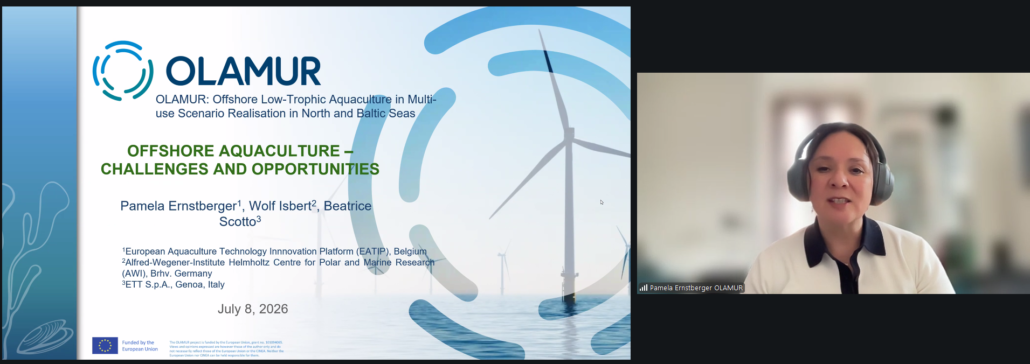
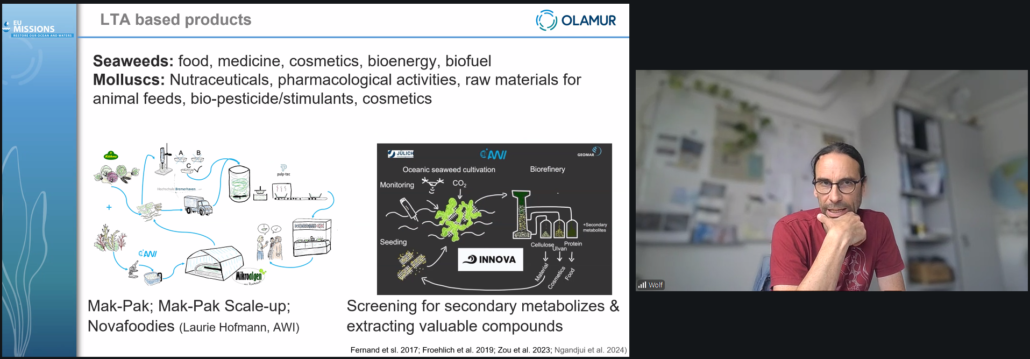
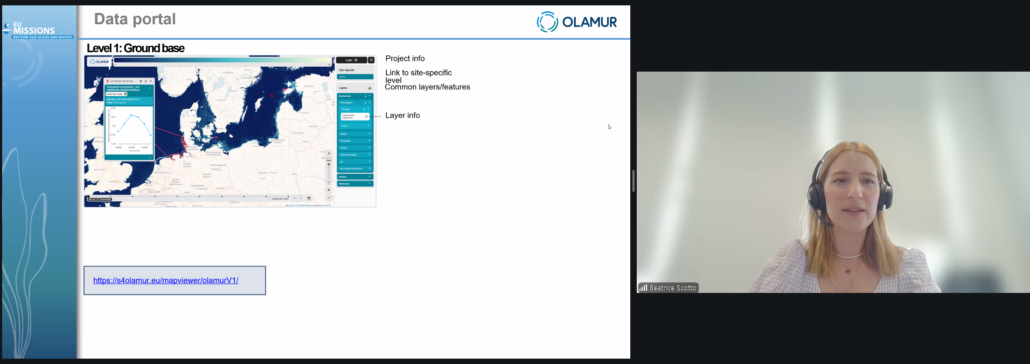
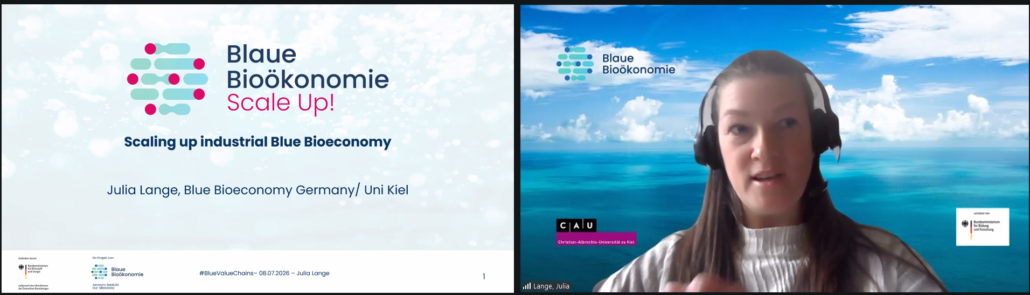
The webinar has been recorded: coming soon.
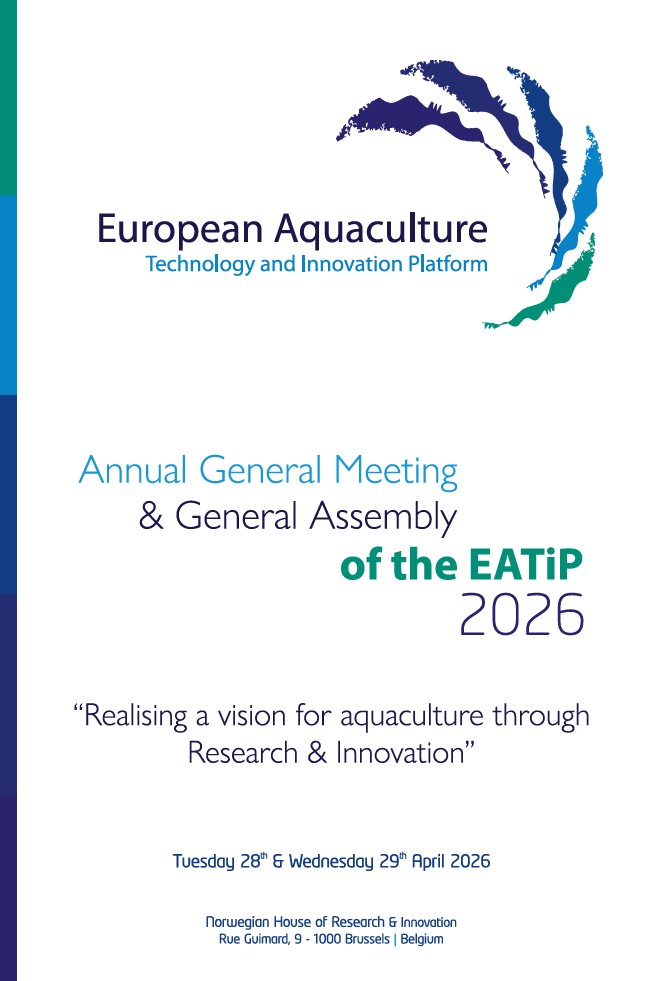
This year, our EATIP AGM has been successfully held in Brussels on the 28th & 29th of April 2026 at the Norwegian House of Research & Innovation.
Please see below the programme of the event:
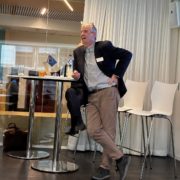
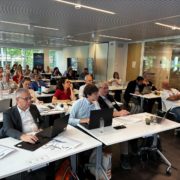
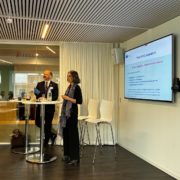
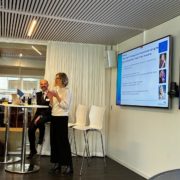
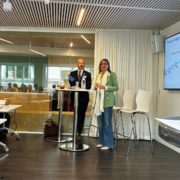
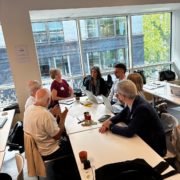
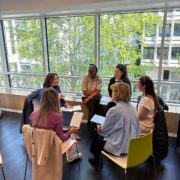
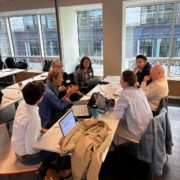
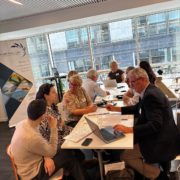
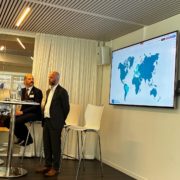
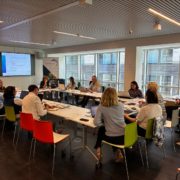
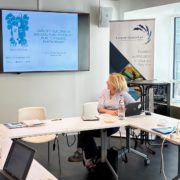
Wednesday PM, September 24, 2025 – Valencia, Spain. Gran Pinedo (Hotel Sercotel Sorolla Palace- Floor 2)
14:00 – 14:30 | Session 1: Welcome & Opening Remarks |
Moderator: David Bassett (EATiP)
Lorella de la Cruz Iglesias, European Commission, DG MARE
• EU policies, funding programmes and initiatives to support innovation in aquaculture.
Øyvind Hilmarsen, Norwegian Seafood Research Fund
• Driving Change in Aquaculture: How can we make research work in practice?
Q&A
14:30 – 15:30 | Session 2A: Knowledge Transfer fostering Aquaculture Innovation |
Moderator: Marc Vandeputte (INRAE / EAS), David Bassett (EATiP)
Julien Peris, European Commission, CINEA
• The European Maritime, Fisheries and Aquaculture Fund (EMFAF) as support for developing innovative projects.
Introducing the panel members
• Lorella de la Cruz, European Commission
• Øyvind Hilmarsen, Norwegian Seafood Research Fund
• Mery Pina, EMBRC
• Yolanda Molares, ACUIPLUS
• Sylvie Becaus, Marifish
• Damien Toner, BIM
Pitch Session: Research and Innovation Outputs with potentially high impact
THEMATIC AREA 1: MANAGING THE BIOLOGICAL LIFE CYCLE SUSTAINABLY
1. Fish Matter: A Smart Platform for Blue Bioeconomy Co-products Valorisation (João Reis, B2E Colab)
2. From Blue to Green: aquaculture sediment as a source of nutrients for the agriculture sector (Piotr Eljasik, West Pomeranian University of Technology in Szczecin)
3. Circular innovation to protect the sea (Loris Pietrelli, Sapienza University)
4. Adapting native oyster restoration to the scale of offshore energy development (Molly Hughes & Mieke Eggermont, UGent)
5. Origin significantly impacts reproductive capabilities of pikeperch (Sander lucioperca) broodstock (Oleksandr Malinovskyi, University of South Bohemia) AE3.0
15:30 – 15:45 | Coffee Break
15:45 – 17:15 | Session 2B: Knowledge Transfer fostering Aquaculture Innovation / part II |
Moderators: Lorenzo Gennari (EMPA / EATiP) and Elisa Ravagnan (NORCE / EATiP)
THEMATIC AREA 2: SUSTAINABLE FEED PRODUCTION
1. Supplementation with metal-AA complexes contribute to more efficient and sustainable diets in RAS systems (Claudia Figueiredo Silva, Zinpro) AE3.0
2. Established benchmark for Atlantic bluefin tuna (Thunnus thynnus) weaning with commercially available diets in Europe (Paul-Daniel Sindilariu, Nexttuna) AE3.0
3. Tailored microdiets for Atlantic cod lead to reduction in skeletal deformities (Luis Conceição, Sparos)
4. Novel fish feed oils (Stefan Teerlinck, Inagro)
5. Microbiome-assisted production of sustainable aquafeed compounds (Erik-Jan Malta, CTAQUA)
THEMATIC AREA 3: TECHNOLOGY & SYSTEMS
1. Use of Acoustic Doppler Current Profilers (ADCP) echosounding to characterise fish growth and behaviour? (Thomas Culverhouse, Sonardyne) AE3.0
2. New methods for post processing biotelemetry data in aquaculture (Martin Føre, NTNU) AE3.0
3. Developing digitalised analytical solutions for aquaculture: quantification of Nitrogen-based compounds (Eva Gonzalez Fernández, Biolan)
4 Advanced Health Research for Shrimp Aquaculture (Evelien De Swaef, IMAQUA)
5. Acoustic monitoring for mussel longlines (Thomas Vandorpe, VLIZ)
6. A publicly available SNP array for selective breeding in the leading Mediterranean fish species (Tsigenopoulos Constantinos, HCMR)
17:15 – 17:30 | Closing Remarks by the Organizers
17:30 – 18:00 | Networking Reception
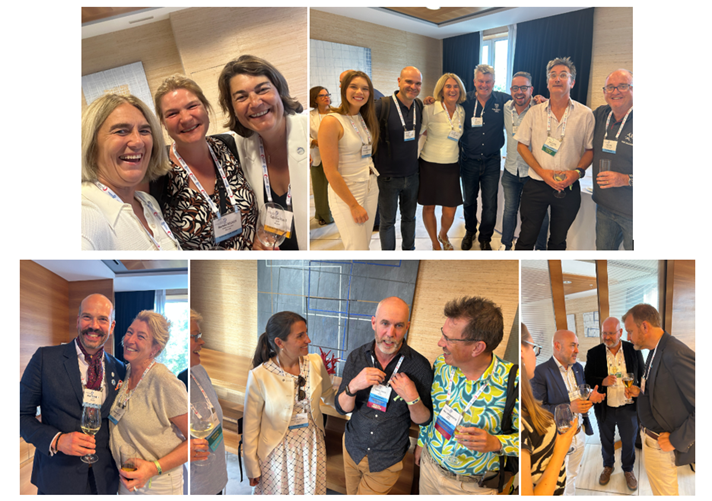
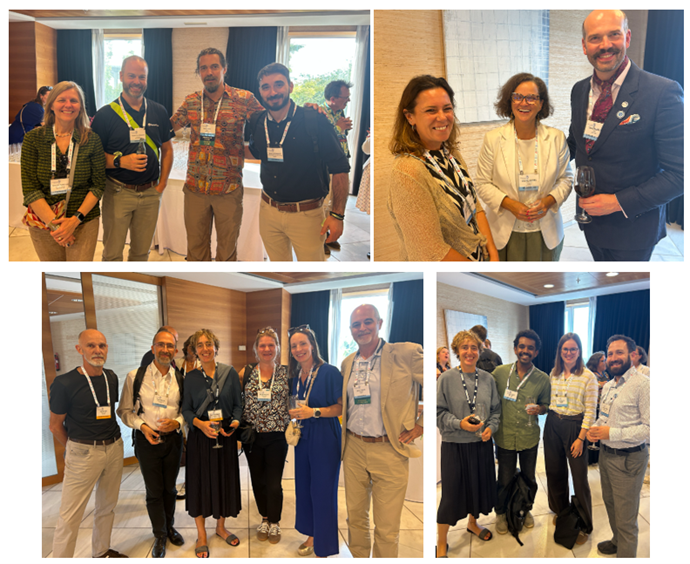
THANK YOU FOR YOUR PARTICIPATION!



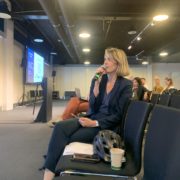
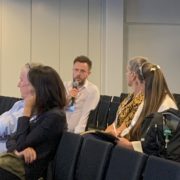
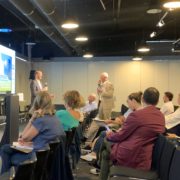

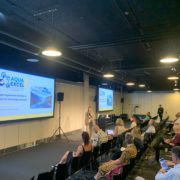


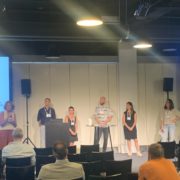



09:00 Introductions
Moderators: David Bassett (EATiP); Alistair Lane (EAS)
09:15 Session 1: Fostering regional synergies in Europe for innovation in aquaculture
(Chair: David Bassett, EATIP)
10:15 Plenary Discussion
10:45 BREAK
11:15 Session 2: Inter-Regional Innovation Landscape in Practice: case studies on how innovation transfer vehicles promote advances in aquaculture
(Chair: Mieke Eggermont, EATIP Mirror Platform WG chair)
12:15 Panel discussion among speakers
12:30 LUNCH

14:00 Session 3: Innovation transfer within the Aquaculture Research Community
(Chair: Ana Hererro (Patogen / AQUAEXCEL3.0 IRAP)
15:45 Session 4 – Facilitation, funding models and future calls for inter-regional innovation transfer
(Chair: Damien Toner / BIM)
16:45 Closing discussions
17:00 NETWORKING DRINK
The European Aquaculture Technology and Innovation Platform EATiP seeks to promote and support research and innovation for the benefit and development of a sustainable European aquaculture sector. It consolidates the aquaculture community and facilitates collaborative initiatives across Europe, e.g. through the recently established Smart Circular Aquaculture Partnership, seeking to promote inter-regional innovation transfer.
A series of digital seminars arranged for the EATiPs Mirror Platforms will introduce aquaculture clusters to their peers and member enterprises with the aim to provide insight into cluster competences and capacities, and to stimulate bilateral or interregional cooperation.
NCE Aquatech Cluster will host the first seminar


Our EATiP booth #39 was a great success with lots of visits from many colleagues from all over.
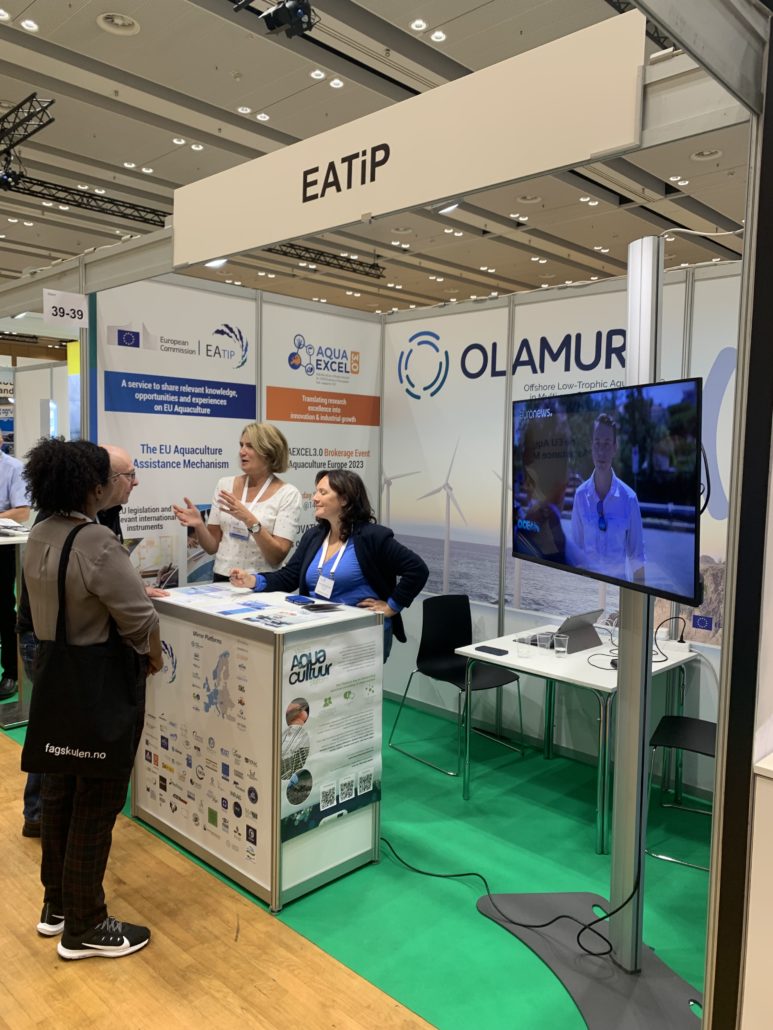
Information was given about our project work including:

The EATiP / EC / EAS INNOVATION FORUM was extremely well attended on Wednesday 20 September (Programme), as well as the AQUAEXEL3.0 networking drink following the event.
More on the AQUAEXCEL3.0 presentations 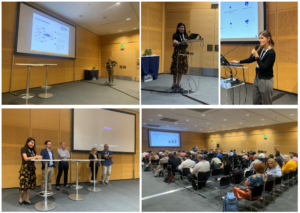
Experimental assessment of the fish meal content requirements for Meagre feeds, by Ramon Fontillas | Skretting ARC (Netherlands).
The effect of krill meal inclusion on the growth of juvenile gilthead seabream, by Kiranpreet Kaur | Aker BioMarine Antarctic AS (Norway).
Metal amino acid complexes as a cost-effective strategy to help reducing fish meal in European seabass diets, by Claudia Silva | Zinpro (Portugal).

Alex Obach has been the Innovation Director in Skretting since July 2021 and is the head of Skretting Aquaculture Innovation (Skretting AI).
Originally from Barcelona, he is a veterinarian with a Master in Aquaculture from the University of Girona (Spain) and a PhD in fish pathology and immunology from the University of West Brittany (France).
Alex started working at the Skretting Aquaculture Research Centre (ARC) in 1993 as a researcher, initially within fish health then as a nutritionist. From May 2007 to July 2021, he was the Managing Director of Skretting ARC (Aquaculture Research Centre), the global R&D unit of Skretting. He was also engaged as lecturer at the University of Barcelona (1995-1997), and worked as Technical Director in Marine Harvest (2004-2007).
Commenting on his election and the important role that EATiP plays in promoting strategic research and innovation needs for European Aquaculture, Alex notes, “I am convinced that innovation and technological development will be instrumental to secure the sustainable growth of the aquaculture industry and Europe, encouraged through the assistance of EATiP and the identification of strategic research and innovation priorities alongside innovation transfer, should be a role model to promote innovation at all levels and by all the stakeholders in our industry”.
We are sure that you join with the Board and Secretariat in welcoming Alex to the position of President and we look forward to sharing future developments with you!
The EATIP AGM was successfully held in Brussels on the 14th & 15th of June 2023 at the Manos Conference Center & Hotel.
Please see below the programme of the event:
The presentations are available for EATiP members on our intranet.
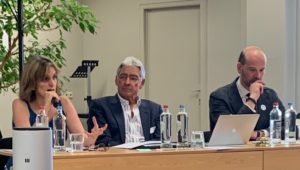
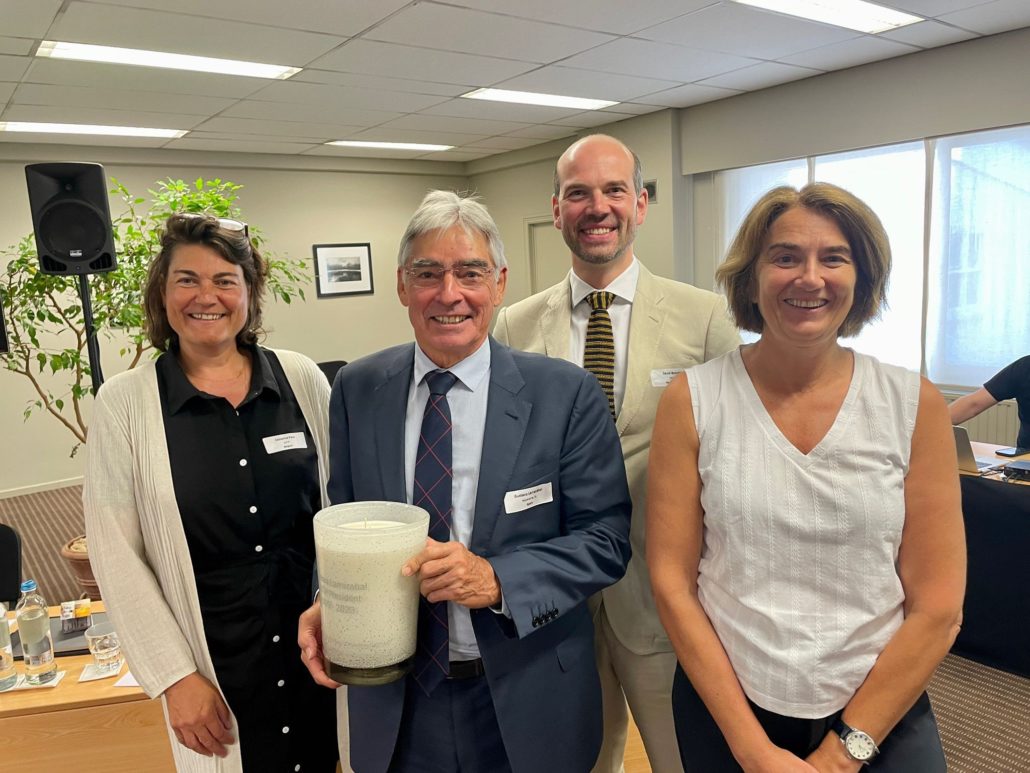
Lorella de la Cruz Iglesias (EC DG MARE), Gustavo Larrazábal (EATIP President), David Bassett (EATIP General Secretary)
Alexandra Neyts (EATIP)
The EATiP Secretariat are delighted to be hosting an intern for the third consecutive year, continuing our tradition of taking a student from the University of Liège who is studying for a Masters in Oceanography.
This year we are delighted to welcome Sarah Joly.
Sarah will be assisting the EATiP team on a number of project and administrative tasks and we look forward to her getting to know both our diverse projects and membership in more detail. In a short message that Sarah provided by way of introducing herself to the EATiP Platform, we were struck with her clear understanding of the need to balance the public demand for sustainable industries with the increasingly important role of aquaculture in the provision of Blue Foods to the European market.
“I support the concept of aquaculture, the need to farm fish, shellfish and algae, but also appreciate the consumer perspective of wishing to see “sustainable” industries. In summary, I am in line with the socio-economic vision for the development of the aquaculture sector and the wider blue economy.”
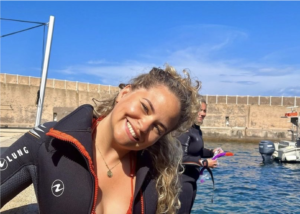
Sarah Joly – 2nd Year Masters Student at the University of Liège
Although the intern position is only for one month, it looks like Sarah will be returning to the aquaculture community before too long, going on to tell us, “I was lucky enough to get an internship at EATIP. This gives me an opportunity for concrete consideration of the practical issues relating to aquaculture. This apprenticeship also gives me the opportunity to consider the range of work and opportunities in this field. This is something that I would like to pursue after my university studies have concluded.”
We look forward to working with Sarah and showing the wealth of opportunities there are in aquaculture – as demonstrated across our diverse platform membership and to demonstrate to her trends and priorities in the aquaculture research and innovation network, both in terms of industry priorities but also from the perspectives of policy considerations. We thank our supporters and members for their welcome to Sarah over the next few weeks – let’s see what opportunities might arise!